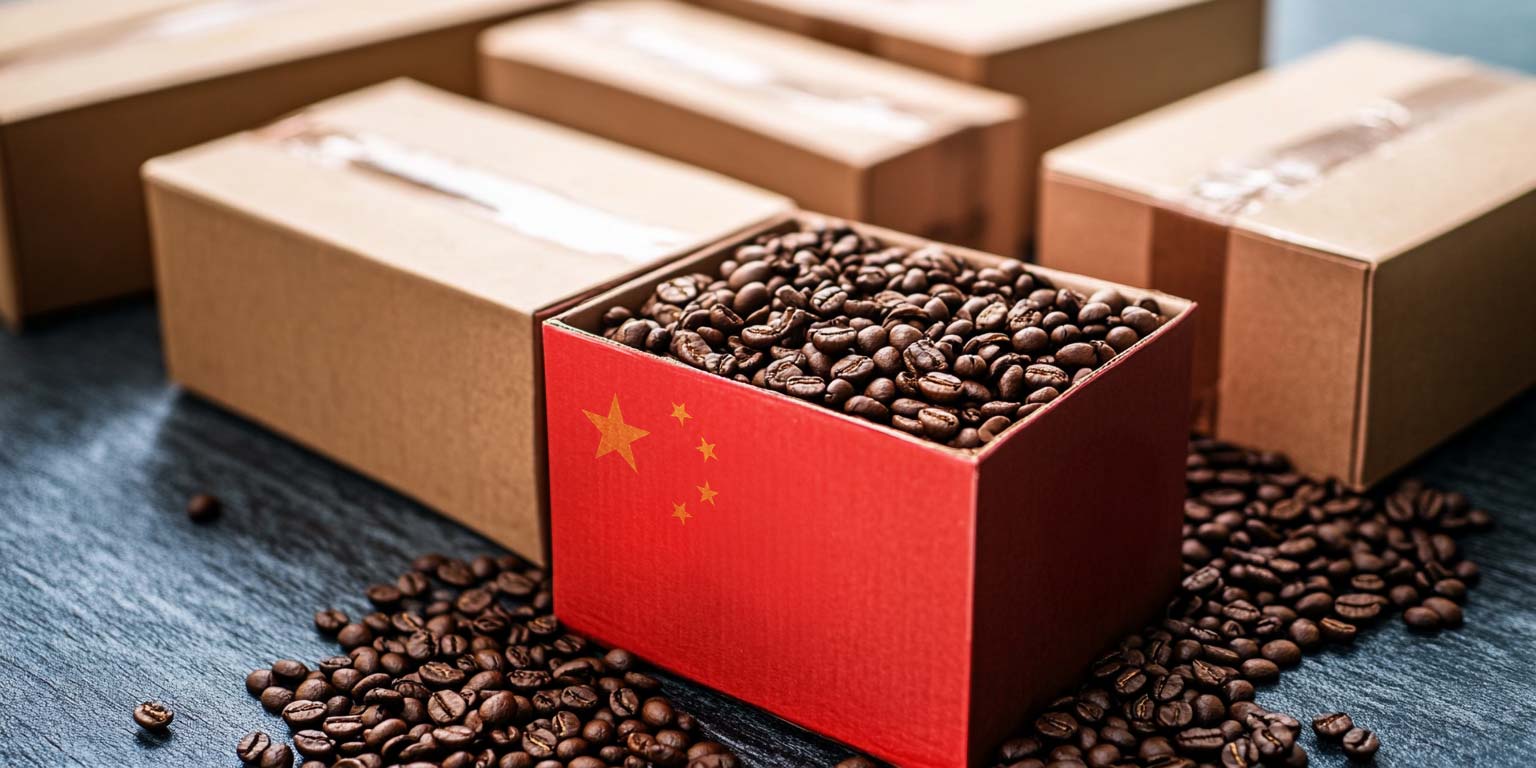
Brewing Relief: How the US-China Tariff Decrease Impacts Coffee Packaging
The coffee industry, especially the packaging sector, has been under pressure due to escalating tariffs between the United States and China. However, a recent 90-day agreement to reduce these tariffs brings a glimmer of hope. This temporary truce could alleviate some financial strain and improve supply chain dynamics, but it's essential to understand the nuances and prepare for what comes next.
Understanding the 90-Day Tariff Normal Rates
On May 12, 2025, the US and China agreed to a significant, albeit temporary, return to normal rate in tariffs:
- US Tariffs on Chinese Goods: Returned from 145% to 30%
- Chinese Tariffs on US Goods: Returned from 125% to 10%
This agreement aims to ease trade tensions and provide a window for further negotiations .
Implications for Coffee Packaging
The coffee packaging industry relies heavily on materials and machinery sourced from China. The tariff return could have several positive effects:
- Cost Savings: Lower tariffs mean reduced costs for importing packaging materials and equipment.
- Supply Chain Stability: With decreased financial barriers, companies might experience fewer disruptions in their supply chains.
- Pricing Flexibility: Reduced import costs could allow businesses to maintain or lower prices for consumers.
Short-Term Benefits
During this 90-day period, coffee packaging companies might:
- Accelerate Orders: Take advantage of lower tariffs to stock up on essential materials.
- Reassess Budgets: Allocate funds saved from reduced tariffs to other areas, such as marketing or product development.
- Strengthen Supplier Relationships: Use this time to negotiate better terms with suppliers, anticipating future uncertainties.
Long-Term Considerations
While the tariff return to normal rates is beneficial, it's crucial to plan for the future:
- Potential Tariff Reinstatement: After 90 days, tariffs could return to previous levels if no further agreement is reached.
- Diversification: Companies might consider sourcing materials from other countries to mitigate risks associated with US-China trade relations.
- Investment in Domestic Production: Exploring local manufacturing options could provide more control over supply chains and costs.
Savoring the Moment: Making the Most of the Tariff Truce in Coffee Packaging
The 90-day tariff return to normal between the US and China offers temporary relief for the coffee packaging industry. Companies should seize this opportunity to optimize operations, but also prepare for potential challenges ahead. Staying informed and adaptable will be key to navigating the evolving trade landscape.