That Empty Coffee Bag? It Can Do a Lot More Than You Think
Every bag of coffee tells part of its story before you even open it. The foil shines. The zipper clicks shut. The valve holds steady. All of that engineering goes into protecting your coffee beans from moisture, oxygen, and light. But here is something most people never think about: that same protection does not disappear when the coffee runs out. The aluminum-lined, resealable bag sitting on your counter still has work to do. In honor of Earth Day, here are six practical ways to reuse coffee bags before they ever make it to the bin.
A Tip That Started at the Movies
Most people leave a movie theater carrying nothing but memories and maybe a half-empty soda cup. But if you slipped a resealable coffee bag into your pocket or purse before heading in, that changes. The aluminum and MetPET lining inside every quality coffee bag is designed to lock out air and lock in freshness. That barrier does not know the difference between coffee beans and buttered popcorn. Seal it shut, and it keeps your snack crispy all the way home. It is a small, easy swap that works because the materials inside these bags are food-safe by design. No more flimsy plastic bags. No more cardboard containers that soften and fold. Just a bag already built to keep food fresh, doing exactly that.
What Makes These Bags So Useful
The secret is the inner liner. Most resealable coffee bags use an aluminum or MetPET laminate that creates a barrier between your food and the outside world. That barrier blocks moisture and oxygen, which is exactly what causes food to go stale. Pair that with a resealable zipper at the top, and you have a container that closes securely every time you use it. These are not thin, flimsy pouches. They are built to hold weight, resist punctures, and protect contents through shipping, shelving, and repeated handling. That combination of a strong barrier and a reliable seal is what makes them worth reusing, not just recycling.
6 Ways to Reuse Your Coffee Bag
1. Popcorn Carrier at the Movie Theater
You already know this one. When the movie ends and the popcorn bucket is still half full, pour what is left into your resealable coffee bag and seal it shut. The foil lining holds heat longer than paper and keeps butter from soaking through. It works just as well for chips, trail mix, pretzels, or any snack you pick up before or after the show. A simple move that saves a perfectly good snack from the trash.
- Keeps popcorn and snacks crispy longer than paper or cardboard
- Seal it shut for the ride home with no spills
- Wipes clean and can be reused for the next trip
2. Lunch Bag for Dry Snacks
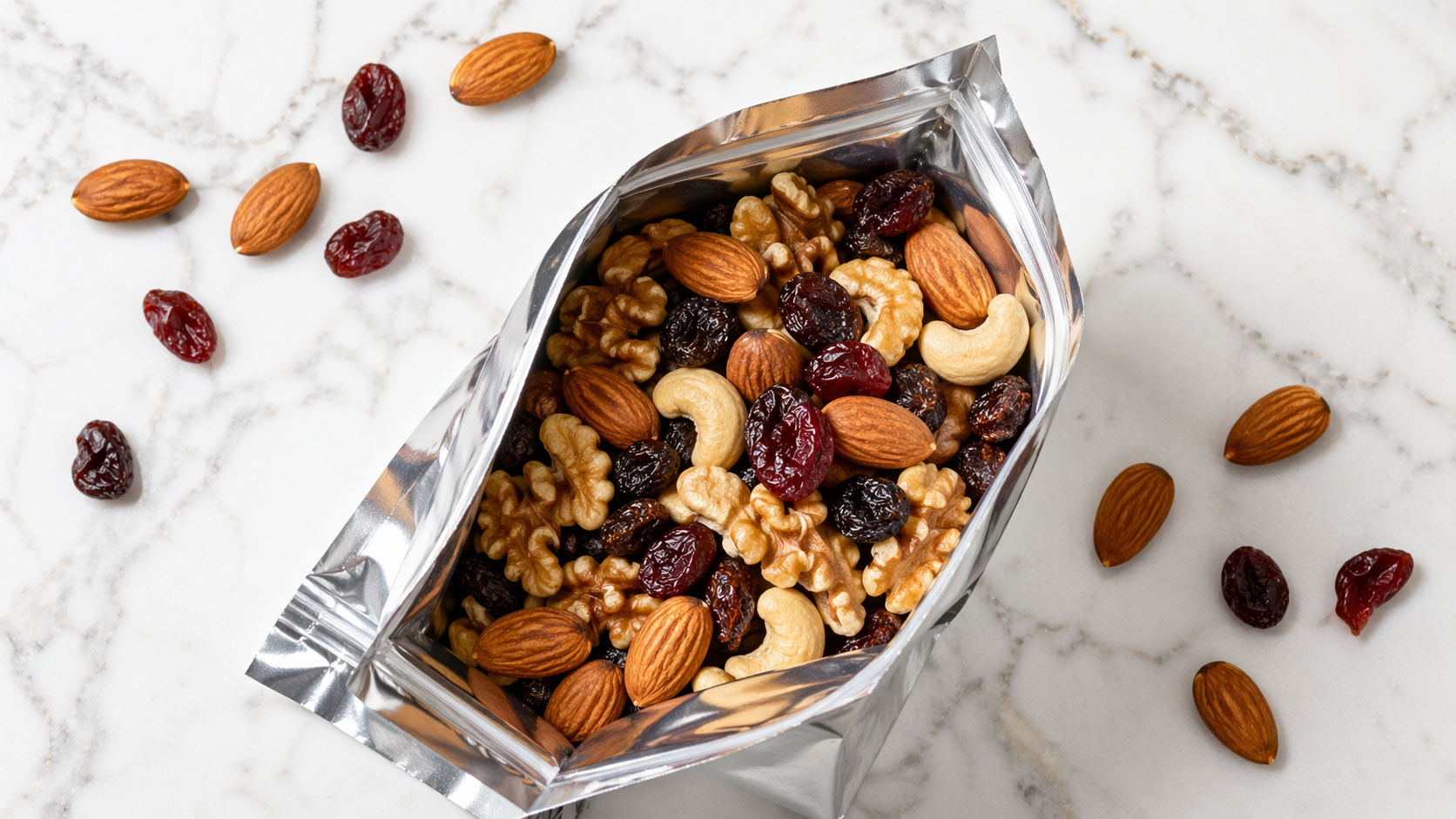
Coffee bags are compact, light, and easy to toss in a backpack or bag. They hold crackers, nuts, granola, dried fruit, or any dry snack you want to carry through the day. The zipper keeps everything sealed and fresh between uses, and the MetPET lining holds up to repeated use far better than a single-use plastic bag or a thin paper sandwich bag.
- Keeps dry snacks fresh with a resealable zipper
- Compact enough for a purse, backpack, or lunch box
- Durable lining stands up to daily use
3. Travel Bag for Small Items
The waterproof quality of the lining makes these bags surprisingly useful when you are on the road. Use one to corral earbuds, charging cables, small toiletries, or anything you want to keep dry and separated in your luggage. The compact size fits easily in a carry-on, and the sturdy zipper means nothing slides out or gets tangled with everything else.
- Waterproof lining protects items from moisture
- Zipper keeps small items organized and contained
- Easy to spot inside a bag or suitcase
4. Pantry Storage for Dry Goods
Once your coffee is finished, rinse the bag and let it dry, then use it to store small amounts of spices, nuts, seeds, or baking ingredients. The barrier lining does what it was built to do, keeping moisture out and freshness in. It works especially well for items you buy in bulk and need to portion out into smaller amounts. Label the outside and stack them flat in a drawer or pantry shelf.
- Barrier lining keeps dry goods fresh between uses
- Easy to label and stack flat for storage
- Useful for bulk spices, seeds, nuts, and baking items
5. Freezer Bag for Small Portions
The aluminum barrier in most coffee bags holds up well in the freezer. Use a clean, empty bag to store fresh herbs, leftover sauces, or small portions of food you want to save for later. The resealable zipper creates a tight close, and the lining helps protect against freezer burn on smaller items. Rinse it out after each use and it is ready to go again.
- Aluminum barrier helps protect food from freezer burn
- Resealable zipper creates a tight, reliable close
- Works for herbs, sauces, or small portioned leftovers
6. Farmers Market Carry Bag
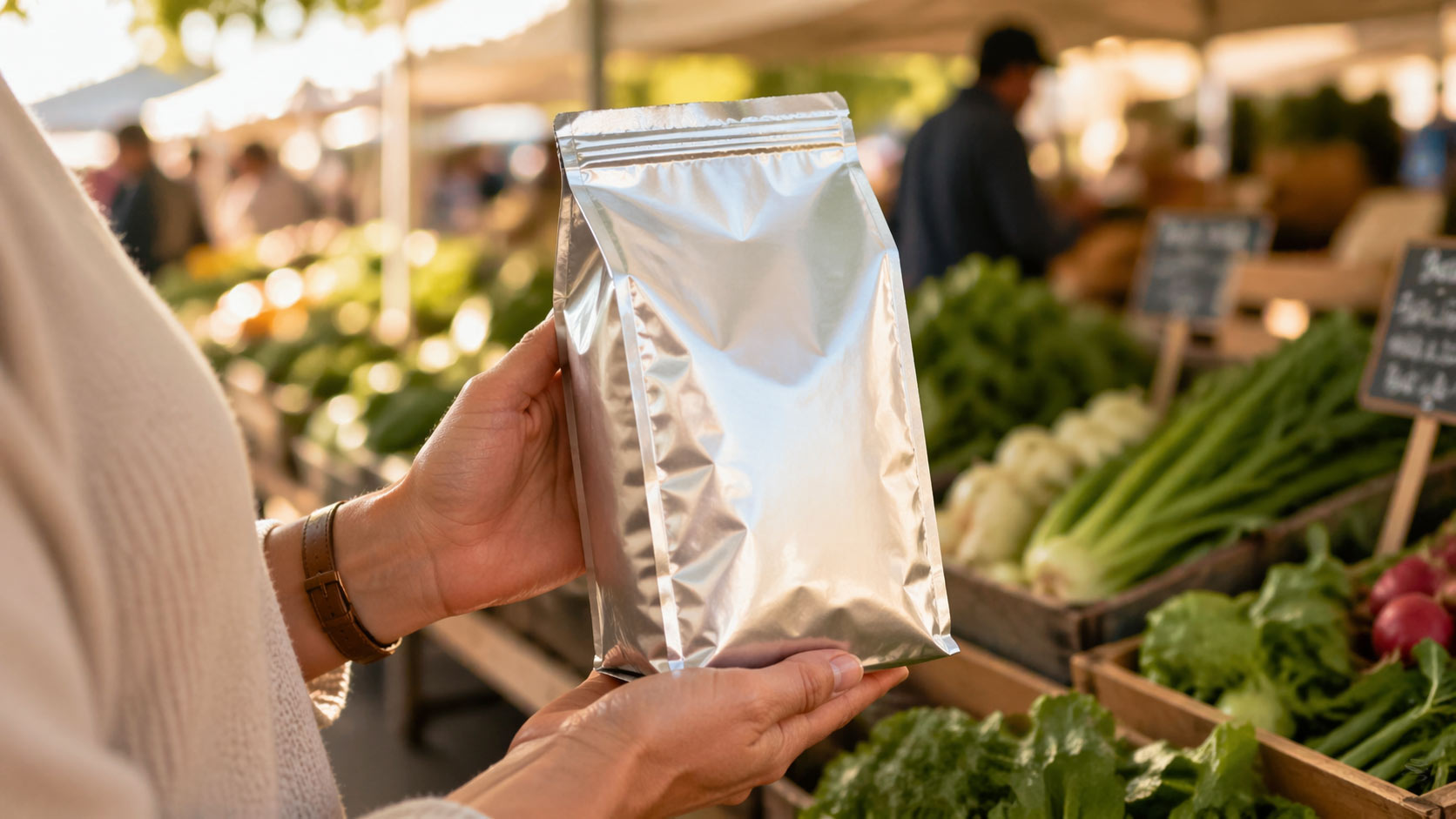
A sealed resealable coffee bag is strong enough to carry a solid load of produce, a small loaf of bread, or a few jars of local goods. The foil interior wipes clean easily, and the sturdy outer material holds its shape better than most thin reusable totes. It also folds flat and slips into a pocket or small bag before you leave the house, so you always have it when you need it.
- Strong enough to carry produce, bread, or small jars
- Wipes clean and folds flat for easy carrying
- A compact, ready-to-go alternative to plastic bags
Small Bags, Big Thinking
Reusing coffee bags is one of the easiest Earth Day habits you can actually stick with. You already have the bags. They are already built to protect food. All you have to do is rinse, seal, and find a new purpose for them. Every time you reuse coffee bags instead of grabbing a single-use plastic alternative, you get one more trip out of materials that took real resources to make. That is not a sacrifice. That is just smart packaging doing double duty, exactly the way it was always capable of.


